Thinking about buying in Manitou Springs as an investment? It is easy to see the appeal. This is one of Southern Colorado’s most distinctive markets, with a tourism-driven economy, historic charm, and a setting that draws visitors year-round. But a smart investment here depends on more than curb appeal or nightly rate estimates. You need to understand how local rules, property character, and site-specific risk can shape your return. Let’s dive in.
Why Manitou Springs Feels Different
Manitou Springs is not a typical suburban investment market. The city identifies tourism as the mainstay of its economy and describes itself as a destination for arts, culture, recreation, wellness, and life-long learning. Incorporated in 1876, it has a population of about 5,000, which adds to its small-town, place-driven feel.
That identity matters when you are evaluating a property. In Manitou Springs, the value of a home is often tied to location, historic character, and how well the property fits the city’s operating environment. Standard rent comps may only tell part of the story.
The visitor draw is broad. Pikes Peak, Garden of the Gods, mineral springs, historic downtown, galleries, restaurants, and local lodging all help support steady interest in the area. The city also hosts recurring festivals and races, which helps keep activity going beyond one peak season.
What the Housing Stock Tells You
Manitou Springs is a small housing market with a unique mix of homes. According to ACS 2024 5-year estimates, the city has 2,625 housing units, a 62 percent owner-occupied rate, and a housing stock made up of about 74 percent single-unit structures. The median owner-occupied home value is $561,200.
That profile points to a market with higher entry prices and a strong owner presence. It does not read like a high-turnover rental market built for easy scaling. If your plan depends on buying several similar properties with simple maintenance and predictable management, this market may feel more specialized.
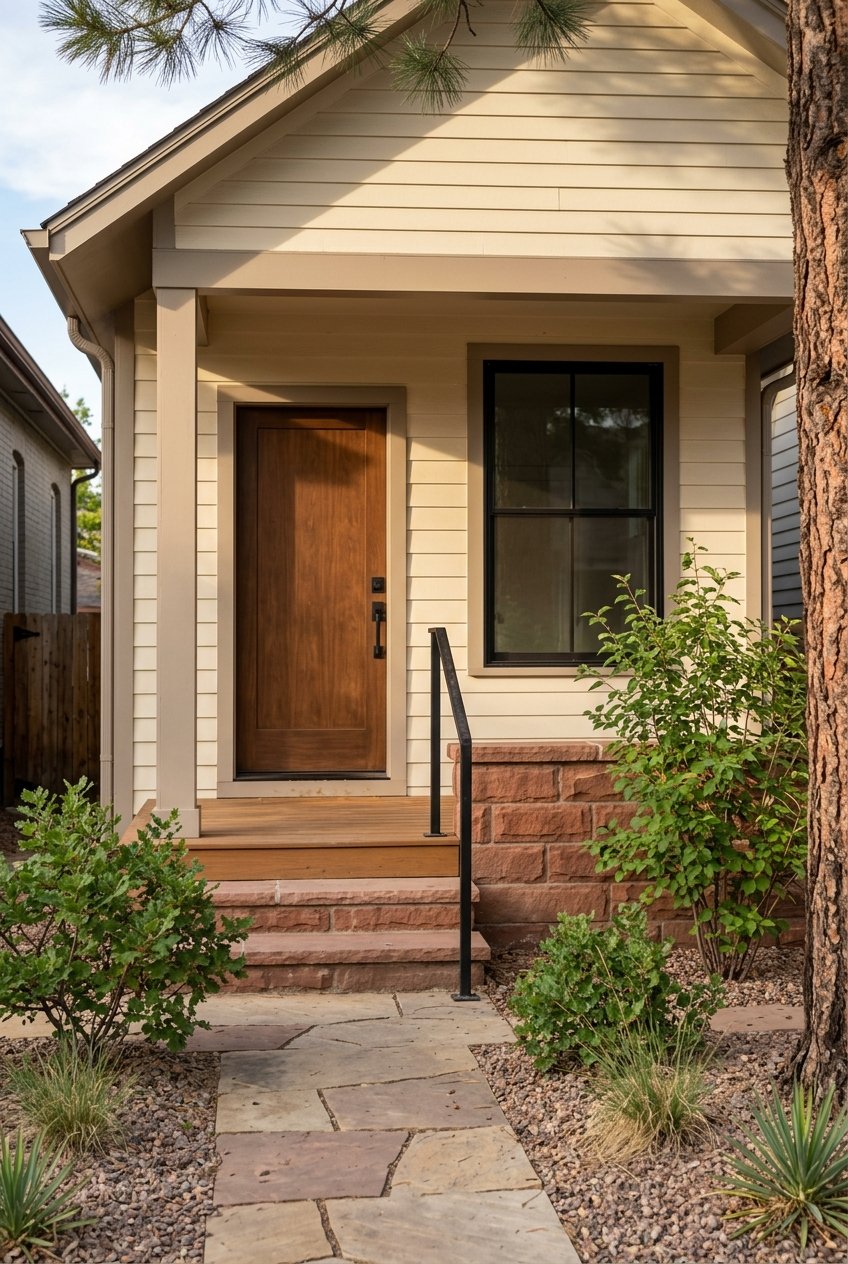
You should also expect older homes to be part of the mix. The city’s historic design guidance describes the local Manitou Summer Cottage as a small early-20th-century vacation house style with porches, wood siding, and stone foundations. Those details are part of the town’s identity, but they can also affect upkeep, renovation scope, and long-term budgeting.
Historic Character Can Add Opportunity and Complexity
Manitou Springs has been a Certified Local Government since 1987 and has had a local historic district since 1980. In practical terms, that means historic preservation is part of the market, not just a nice talking point.
For you as a buyer, that can be a positive if you value scarcity, charm, and strong place identity. A well-located historic cottage or character home may stand out in a way that newer, more uniform housing cannot. That kind of appeal can matter for resale and for attracting tenants or guests who care about the experience of the property.
At the same time, older and historic homes often require more thoughtful planning. Materials, exterior changes, and maintenance choices may not be as simple as they would be in a newer neighborhood. If your investment plan relies on quick cosmetic updates or a fast repositioning strategy, you will want to look closely before you commit.
Renovation Rules Matter Before You Buy
In Manitou Springs, renovation due diligence should start before you make an offer. The city states that almost all interior and exterior remodeling and construction projects require a Property Improvement Permit before work begins. If the project also needs a building permit through the Pikes Peak Regional Building Department, it must first go through the city’s Property Improvement Permit process.
The city also notes that the use tax connected to that permit is 3.8 percent of materials, not labor. That may seem like a small detail, but it can affect your rehab budget and timeline. For investors, those numbers belong in your underwriting from day one.
If a property is located in one of the city’s historic subdistricts, exterior alterations visible from the right-of-way are subject to historic preservation review. Work must comply with city design guidelines or the Secretary of the Interior’s Standards for Rehabilitation. This can affect projects like exterior remodels, additions, fences, retaining walls, and other visible changes.
Short-Term Rental Strategy Has Tight Limits
If your investment plan centers on short-term rentals, Manitou Springs deserves a very careful look. The city defines a short-term rental as a residentially zoned property rented for 29 days or less. For new short-term rentals, the city requires owner occupancy.
That owner-occupancy rule is specific. The owner must state that the home is their primary residence and live there at least 185 days per calendar year. The property must also be rented at least 21 days per year.
There are more guardrails. The city uses a 500-foot buffer from other existing short-term rentals and caps short-term rentals at 2 percent of the city’s residential structures. For many investors, that makes a pure absentee vacation rental plan much harder to execute.
The permit itself is also tied to the owner, not the property. It expires when the home is sold or transferred and cannot be assigned to a new owner or entity. That means you should not assume a property comes with a usable short-term rental path just because it was previously operated that way.
New permit fees are listed at $350, with a $120 annual renewal. The city also requires a business license before listing the property, along with permit number and compliance language in advertisements. On the tax side, short-term rentals must submit a 2 percent camping and lodging tax return, and the city lists a 2.0 percent lodging tax on top of a 9.03 percent total sales tax rate.
Hazard Due Diligence Is Essential
Natural hazard review should be part of your investment process in Manitou Springs. The city identifies flooding or flash flooding, geologic hazards, and wildfire as the primary natural hazards. These are not abstract issues. They can affect insurance, maintenance costs, access, and long-term risk.
The city’s flood information notes that drainages such as Williams Canyon, Ruxton Creek, and Waldo Canyon can send water and debris through town in minutes. The hazard mitigation plan also highlights landslide, rockfall, erosion, mud and debris flows, and wildfire risk.
That means you should evaluate more than the house itself. Drainage, slope, lot placement, evacuation considerations, and nearby hazard zones can all matter. A home with strong visual appeal may still need a much deeper due diligence review than you would expect in a more conventional market.
Parking and Access Should Not Be Afterthoughts
Investors sometimes focus heavily on purchase price and revenue potential while overlooking day-to-day function. In Manitou Springs, parking and access deserve extra attention. The city’s updated planning framework notes parking congestion during summer months and major events.
That can affect both livability and operations. If a property has limited off-street parking, difficult access, or a layout that depends on peak-season street availability, it may not fit your plan as well as it looks on paper. This is especially important if you are comparing multiple homes that seem similar in size or finish.
So, Who Is Manitou Springs Right For?
Manitou Springs may be a strong fit if you want a character-rich asset in a tourism-driven city and you are comfortable with more regulation, more detailed due diligence, and a longer planning horizon. This market can make sense for buyers who value place, legacy, and uniqueness alongside financial return.
It may also be a better match for personal-use or hybrid-use buyers than for absentee short-term rental operators. Because the city’s rules favor owner-occupied short-term rental use for new permits, a property you plan to use yourself may align more naturally with the local framework.
A long-term hold can also be easier to justify here than a quick formula play. Higher home values, older housing stock, historic review, and local hazard factors all suggest that Manitou Springs works best when you approach it like a boutique asset rather than a plug-and-play investment.
What to Verify Before You Make an Offer
Before you move forward on a Manitou Springs investment, build your checklist around local reality. The city provides maps and planning resources for zoning, historic subdistricts, short-term rental locations, floodplain, debris-flow, rockfall, and points of interest.
At a minimum, you should verify:
- Zoning and allowed use
- Historic district or subdistrict status
- Short-term rental eligibility and spacing limits
- Floodplain or drainage concerns
- Debris-flow, rockfall, or slope-related issues
- Parking and site access
- Permit history and renovation scope
- Expected use tax and permit timing
In a market like this, professional guidance is not a luxury. One property can raise planning, historic preservation, building, hazard, and tax questions all at once. A careful, local, investment-minded approach can help you avoid buying the wrong property for the wrong strategy.
If you are weighing whether a Manitou Springs home fits your investment plan, the best next step is a focused conversation about your goals, timeline, and risk tolerance. Meagan Kroeze brings boutique service and real investor perspective to help you evaluate opportunities with clarity and confidence.
FAQs
Is Manitou Springs a good place for a short-term rental investment?
- Manitou Springs can be challenging for a pure short-term rental strategy because new permits require owner occupancy, the city uses a 500-foot buffer from existing short-term rentals, and short-term rentals are capped at 2 percent of residential structures.
Do Manitou Springs homes have historic renovation restrictions?
- Some do. If a property is in a local historic subdistrict, exterior alterations visible from the right-of-way are subject to historic preservation review and must follow city design guidelines or rehabilitation standards.
What permits matter for a Manitou Springs investment property?
- The city says almost all interior and exterior remodeling and construction projects require a Property Improvement Permit before work begins, and projects needing a regional building permit must first go through the city’s permit process.
What natural hazards should you check in Manitou Springs before buying?
- You should review flooding or flash flooding, geologic hazards, and wildfire risk, along with site-specific concerns like drainage, debris flow, rockfall, slope conditions, and evacuation considerations.
Is Manitou Springs better for long-term hold investors?
- For many buyers, yes. The research suggests Manitou Springs may be a stronger fit for long-term hold, personal-use, or hybrid-use strategies than for simple absentee vacation-rental plans.
What should you verify before buying an investment home in Manitou Springs?
- You should confirm zoning, historic district status, short-term rental eligibility, floodplain and hazard exposure, parking and access, permit history, and expected renovation review requirements before making an offer.